

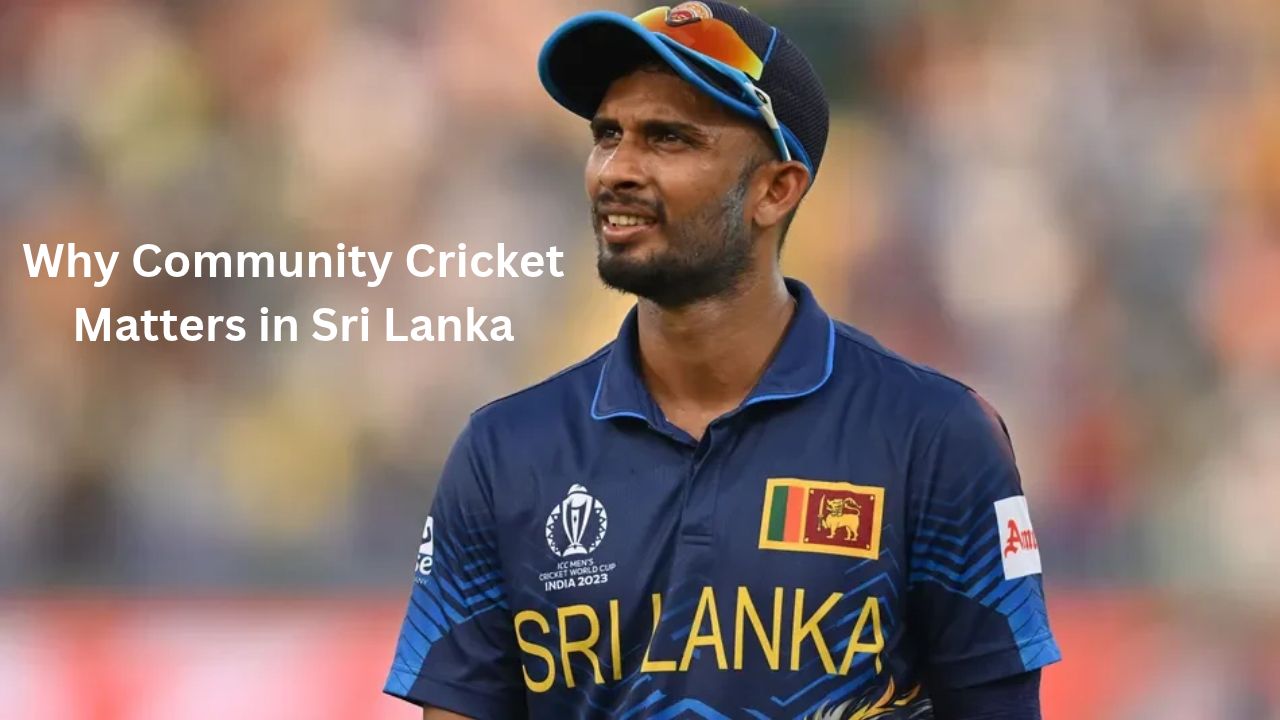
Cricket in Sri Lanka connects the international game with everyday participation. A school practice, a neighbourhood match and a club fixture offer different experiences, but each gives players a reason to return. The important question for community cricket is how that interest becomes regular access to suitable facilities, useful coaching and meaningful competition.
For adult readers exploring mobile sports services, the 888STARZ APK is associated with the platform’s mobile information page. That is separate from the participation pathways discussed here. At community level, cricket grows through opportunities to practise, learn a role and contribute to a team, whether the ambition is competitive progression or simply enjoying the game regularly.
How Cricket Connects Neighbourhoods and Local Teams
Community cricket can begin with an informal game using a soft ball and agreed boundaries. That arrangement lowers the practical demands of a first session, although it should not be confused with the facilities and protective equipment needed for organised hard ball cricket.
The distinction matters when introducing beginners. A suitable practice area and equipment matched to the activity let a coach focus on movement and confidence. Asking a newcomer to face fast hard ball deliveries before learning the basics is a poor substitute for a considered introduction.
Local teams also give participation continuity. A regular session provides something a one day event cannot: repeated opportunities to improve, build relationships and understand responsibilities. Consistent access matters as much as the excitement of an occasional tournament.
Why Schools Matter to Cricket Development
School cricket creates opportunities to practise within a team, receive feedback and experience competition over time. For a developing player, repeated sessions make it possible to work on a technical adjustment instead of being judged entirely on one innings or spell.
Sri Lanka Cricket’s published coaching pathway explicitly includes coaches working with schools, academies, clubs and district or provincial structures. This provides a useful picture of how coaching development can support several stages of participation, rather than treating the national team as the only level that matters.
School programmes should make space for learning alongside results. Batters need opportunities to face different situations, while bowlers and wicketkeepers need purposeful practice. A successful season should be assessed partly by whether players understand the game better and want to continue, as well as by trophies.
The Cricket Skills Beginners Need First
For someone starting cricket in Sri Lanka, an introduction can cover batting, bowling, catching, throwing and movement between the wickets. These skills need different exercises, but they share a requirement for clear instruction and manageable progression.
Batting begins with balance, watching the ball and controlling the bat before attempting powerful strokes. Bowling practice should develop a repeatable action and direction. Fielding sessions can build confidence through controlled catches and accurate returns before adding distance or pressure.
Running between the wickets brings communication into the game immediately. Players must make clear calls, respond to a partner and judge whether a run is available. A batter who contributes fewer boundaries can still help a partnership through sensible decisions and alert running.
Beginners benefit from recognising those smaller contributions. Improvement does not have to mean hitting the longest shot; cleaner catching or more consistent bowling can already make a player more useful to the team.
What Local Cricket Tournaments Add to Practice
Local cricket tournaments give training a purpose and create occasions for families, friends and supporters to gather. Familiar teams make the contest personally meaningful, while returning competitions let players build experience across more than a single afternoon.
A match also introduces decisions that isolated drills cannot fully reproduce. A captain must distribute bowling responsibilities, a batting pair must respond to the situation and fielders must concentrate when the ball has not come their way for several deliveries.
Organisers can help by publishing clear playing conditions and realistic schedules. Participants should know the format, equipment requirements and how interruptions will be handled. These practical details make competition easier to follow and reduce avoidable confusion around the game.
How Coaching Supports Progression Beyond the First Team
Good coaching explains why an adjustment matters. A player should understand the purpose of a batting drill or fielding position, rather than simply repeat a movement without feedback. Instruction becomes more useful when it connects technique with situations players recognise from matches.
Sri Lanka Cricket describes provincial centres as part of its grassroots coach education provision. Access beyond a single centre matters because players need useful instruction where they actually train. A pathway on paper becomes meaningful through coaches who can apply that knowledge consistently.
Development also requires patience. Early strength or a productive innings should not become the sole measure of potential. Players progress at different rates, and selection decisions benefit from observing technique, judgement and response to coaching across time.
Practical Priorities for Community Cricket Through 2027
Looking towards 2027, useful priorities include dependable practice access, equipment suited to each activity and clearer connections between schools and clubs. These are development suggestions, rather than a claim that a particular programme or funding commitment has been announced.
Regular opportunities for women and girls should be part of that discussion. Invitations are more meaningful when they lead to continuing sessions, suitable coaching and matches. Organisers should also consider how travel, timing and facilities affect who can attend consistently.
Digital coverage can support participation by publishing fixtures, results and contact details. Accurate local information helps supporters find games and allows prospective players to understand where their next opportunity might be.
Keeping the Focus on Participation
For adult iPhone users researching the platform separately, https://apps.apple.com/lk/app/888starz-betting/id6475004245 leads to an App Store listing in the Sri Lankan storefront. Its presence there does not establish the availability of every function or replace checking applicable terms.
A practical test for a local programme is whether a newcomer can find the next session, understand what equipment to bring and identify someone who can answer questions. Removing those small uncertainties makes an invitation to participate easier to act on.
For community cricket, lasting progress comes from what happens at practice and in matches. A beginner needs an accessible first session; an improving player needs feedback and appropriate competition. Connecting those experiences gives cricket a stronger foundation than relying on enthusiasm alone, and gives local teams a reason to keep playing together.