

By Dean Ryan
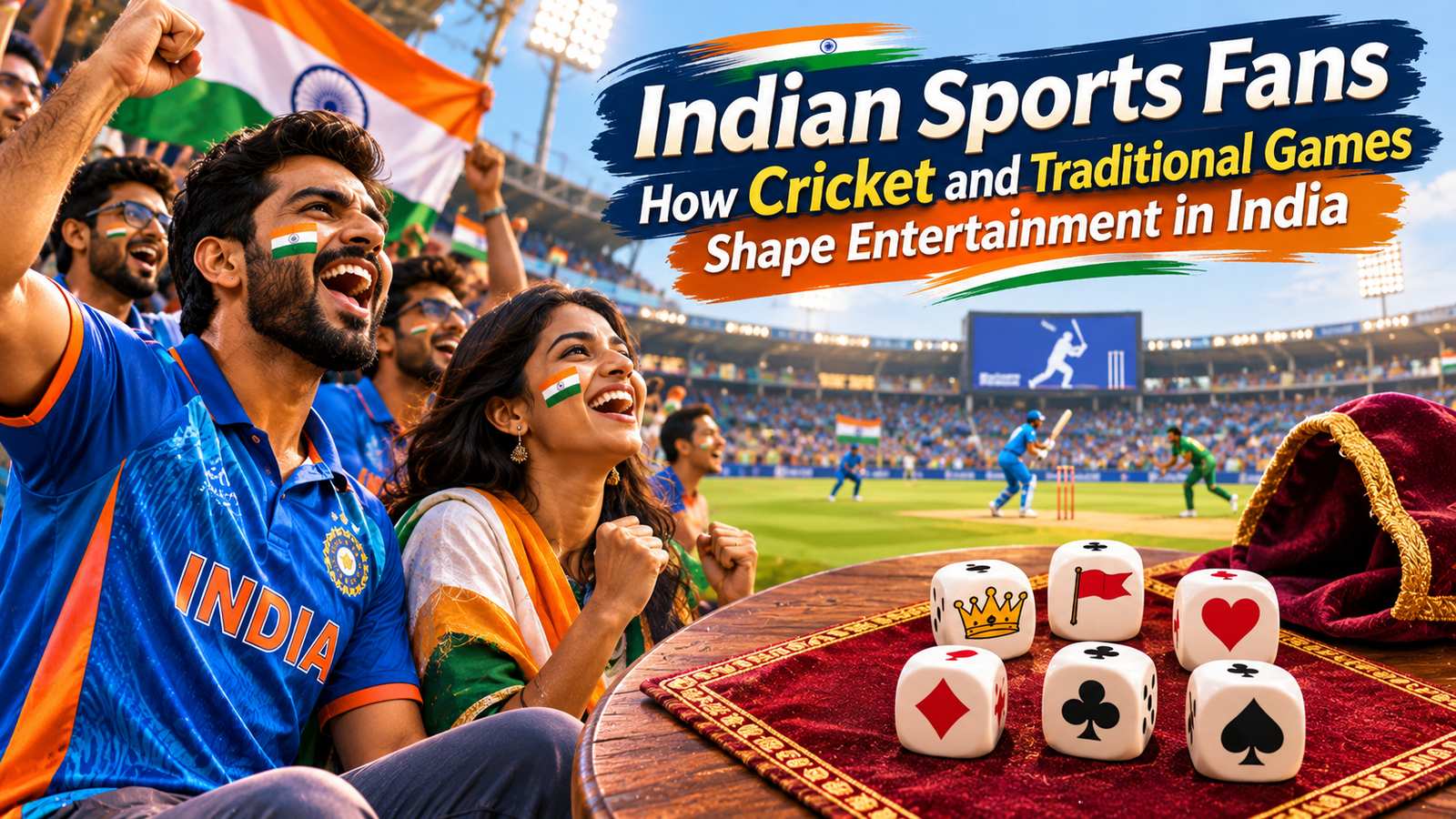
Indian sports fans have a strong connection with cricket. Cricket is a major part of social life in India. People play it on local grounds and watch big international tournaments. The sport brings fans together through celebrations, friendly debates, and support for their favorite teams. However, entertainment in India goes far beyond cricket and professional sports. Traditional games such as jhandi munda also have a place in some regional communities. Cricket depends on skill and teamwork, while Jhandi Munda is based on chance. Both can bring people together and create shared experiences. This article looks at cricket culture in India, traditional games, the role of technology, and the main differences between competitive sports and games of chance.
Why Is Cricket So Popular Among Indian Sports Fans?
Cricket is one of the most popular sports in India. Its strong following comes from its long history, international success, local participation, and wide media coverage. Nielsen research from 2025 found that 66.1% of people surveyed in India said they were cricket fans. This shows how popular the sport is across the country.
How Cricket Became Part of Indian Culture
Cricket arrived in India during British colonial rule. Over time, local clubs, schools, and regional associations helped the sport develop. India’s 1983 Cricket World Cup victory became an important moment in its sporting history. Later achievements, including the 2011 World Cup title and the 2024 T20 World Cup victory, strengthened its national following. Cricket also became part of everyday recreation. Children play with tennis balls in streets, while organized teams compete on school grounds and local fields.
The Influence of International Cricket
International tournaments attract fans far beyond regular sports audiences. Events such as the Cricket World Cup, Champions Trophy, and major bilateral series give people more chances to follow India’s national team. The 2025 Champions Trophy showed how strong this interest can be. According to the International Cricket Council, the final between India and New Zealand reached 230 million viewers in India across TV and digital platforms. Big international matches can become shared national events.
Why Cricket Appeals to Different Generations
Cricket is familiar to many families in India. Older fans may remember matches from the 1980s and 1990s, while younger viewers follow T20 leagues and short online highlights. The sport is also easy to play in everyday settings. A bat, a ball, and a few simple wickets are often enough for a casual game. This mix of professional cricket and local play helps the sport stay popular across generations.
How Indian Cricket Fans Follow the Game
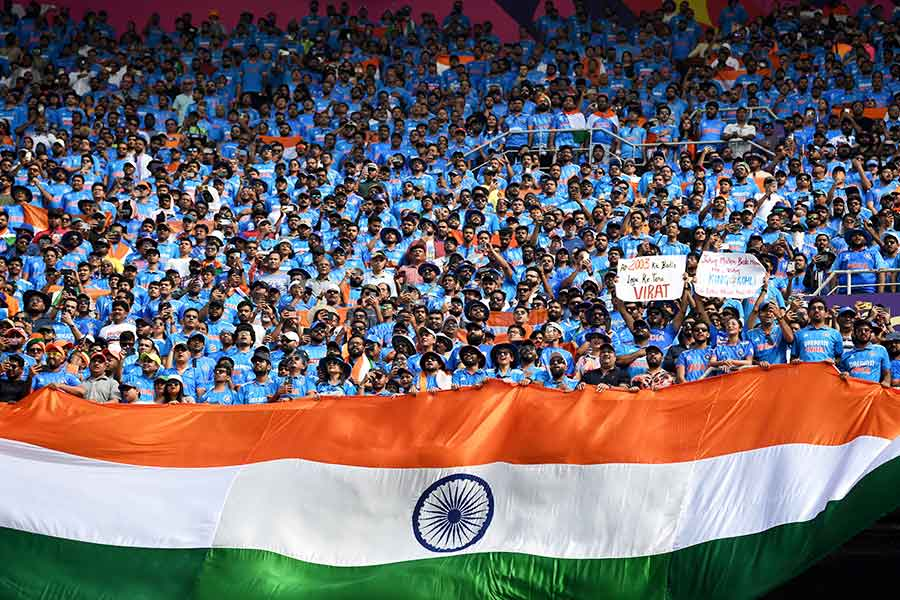
Cricket fandom involves more than watching a complete match. Fans follow team news, player statistics, scores, and discussions throughout the year. Digital media has made this information easier to access.
Watching Cricket on Television and Streaming Platforms
Television is still a popular way to watch cricket in India. Live broadcasts include commentary, match analysis, and coverage of major tournaments. Streaming is another common option, especially on mobile devices. Many services also offer regional-language commentary. Viewers can follow matches in Hindi, Tamil, Telugu, Kannada, Bengali, and other languages.
Following Cricket Scores and News
Many fans cannot watch every cricket match from start to finish. Live-score services help them check runs, wickets, overs, and final results. Sports websites and apps also show team news, injuries, tournament tables, and player stats. This makes it easier to follow cricket during work breaks, travel, or other daily activities.
Cricket Discussions on Social Media
Social media gives fans a place to talk about matches and share opinions. They discuss team choices, compare player performances, and react to key moments. Short videos and highlights also help fans catch up on events they missed. Online discussions can connect people from different cities and regions. However, strong team loyalty can sometimes lead to arguments.
The Indian Premier League and Modern Cricket Fandom
The Indian Premier League, or IPL, has changed how many people experience domestic cricket. Its T20 format combines short matches, city-based franchises, and high-profile players.
Why the IPL Attracts Large Audiences
T20 matches are much shorter than Test cricket and usually finish in one evening. The format features fast batting, tactical bowling, and frequent changes in momentum. The IPL also brings Indian and international players together in the same league. This makes it popular with both regular cricket fans and casual viewers.
Local Teams and Regional Loyalty
IPL teams give cricket fans another way to support the sport. Teams such as Chennai Super Kings, Mumbai Indians, and Royal Challengers Bengaluru have strong identities linked to their cities, players, and history. Fans may choose a team because of their hometown, a favorite player, or family tradition. That support can continue even when players change or the team has a poor season.
How the IPL Changed Cricket Entertainment
The IPL has made cricket content popular beyond live matches. Fans now watch training videos, player interviews, match previews, and behind-the-scenes clips. Many also use fantasy sports platforms and join online discussions. These activities are separate from playing cricket, but they are now part of the wider fan experience. Modern cricket fandom includes both the matches and the content around them.
Sports and Traditional Games in Indian Social Life
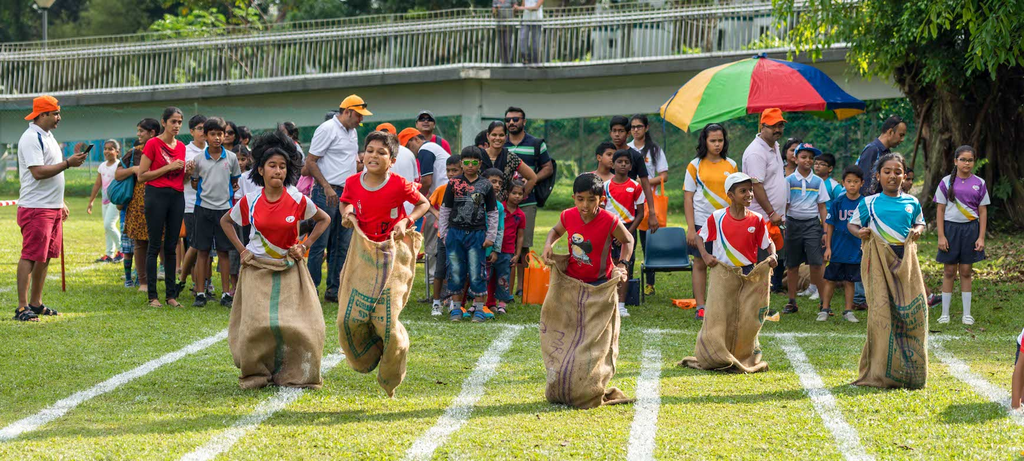
India has a wide range of recreational activities. Some are organized sports with formal competitions. Others are traditional games played in homes, courtyards, or community spaces. These activities serve different purposes but can share a social role.
Organized Sports vs. Traditional Community Games
Cricket requires teams, rules, and physical skills. Organized matches involve officials, defined playing areas, and structured competition. Traditional community games may use simpler equipment and take less time to arrange. Carrom, board games, and various regional games can be played in smaller groups without a stadium or formal league. Their value often comes from social interaction rather than professional competition.
Why Traditional Games Remain Relevant
Traditional games help pass memories and customs from one generation to the next. People often learn them from family or friends instead of formal lessons. The rules and names may also change from one region to another. Even with the growth of mobile games and professional sports, these games still remain part of local traditions.
Games During Festivals and Family Gatherings
Festivals and family gatherings often include food, music, conversation, and simple games. In some areas, traditional dice games are also common. Jhandi Munda is one example, especially in parts of eastern and northeastern India. However, not every Indian family plays it, and it is not a standard part of cricket gatherings.
What Is Jhandi Munda? A Traditional Indian Dice Game
Jhandi Munda is a traditional game played with six dice. Instead of numbers, the dice display symbols. The game is also related to Langur Burja, a name used in Nepal and some neighboring regions. Its rules are simple, although the treatment of results can vary between local versions.
Jhandi Munda Game Overview
The game uses six dice, each with six possible symbols. Before the dice are rolled, participants choose or identify a symbol. The result depends on how often that symbol appears among the six dice. Some versions are played with monetary stakes, while digital adaptations may offer virtual-credit play. The game does not require batting, bowling, or other physical sporting skills.
The Six Symbols Used in Jhandi Munda
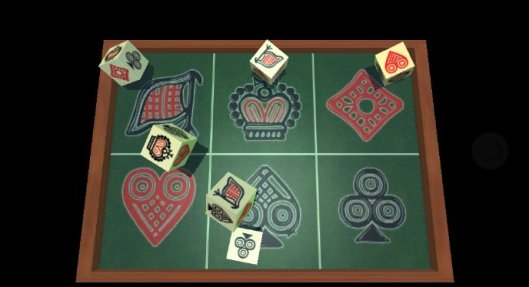
A common set contains Crown, Flag, Heart, Diamond, Club, and Spade. These symbols appear on the faces of the dice and on a matching game board or cloth. Each die has one face for each symbol. Some regional versions use slightly different artwork or names, but the basic idea remains similar.
How a Round of Jhandi Munda Works
A player chooses one of the available symbols before the dice are rolled. All six dice are then rolled at the same time. The results are counted by symbol. For example, if the player chooses Heart and three dice show Heart, the symbol appears three times. The final result depends on the rules of that version. Payouts can vary, so the number of matching dice does not always mean the same payment.
Why Is Jhandi Munda a Game of Chance?
The result depends on how the dice land. Selecting a symbol does not change its chance of appearing. Previous rolls also do not determine future results when the dice are fair and the throws are independent. This makes Jhandi Munda fundamentally different from cricket. Cricket rewards trained skills and tactical decisions. Jhandi Munda outcomes are governed by chance.
What Do Cricket and Jhandi Munda Have in Common?
Cricket and Jhandi Munda are very different games, but both can provide shared entertainment. Their connection is social rather than technical. There is no established rule or direct relationship linking cricket results with Jhandi Munda outcomes.
Shared Entertainment Experiences
Watching cricket with friends can become a social event. Supporters discuss the game, react to important moments, and celebrate their team’s performance. Traditional games can create similar opportunities for conversation and group participation. This does not mean the same people necessarily enjoy both activities. It shows that different forms of recreation can support social interaction.
The Role of Anticipation
Both activities involve uncertainty. In cricket, fans do not know if the next ball will bring a boundary, a wicket, or a defensive shot. In Jhandi Munda, players do not know which symbols will appear when the dice stop. The difference is what causes the result. Cricket depends on skill, tactics, and playing conditions. Jhandi Munda depends on chance.
Community Interaction
Cricket often brings large groups together in stadiums, local grounds, or living rooms. Traditional games usually involve smaller gatherings. Both settings can encourage conversation, friendly rivalry, and shared memories. Their wider cultural importance comes from the people involved, not from identical gameplay mechanics.
Cricket vs. Jhandi Munda: Skill, Chance, and Rules
The clearest difference between cricket and Jhandi Munda is how outcomes are determined. Cricket is a competitive sport. Jhandi Munda is a traditional chance-based dice game.
| Feature | Cricket | Jhandi Munda |
| Game type | Competitive sport | Traditional dice game |
| Equipment | Bat, ball, wickets | Six symbol dice |
| Main outcome factors | Skill, tactics, teamwork, conditions | Random dice results |
| Participants | Two teams | Varies by version |
| Common setting | Sports grounds and stadiums | Informal social settings |
| Physical activity | High | Minimal |
Why Skill Matters in Cricket
A cricket player can improve through training. Batters develop timing, technique, and shot selection. Bowlers practice accuracy, pace, spin, and variation. Fielding requires coordination and quick reactions. Team strategy also matters. Captains make decisions about batting order, field placement, and bowling changes. These skills influence the performance of a team over time.
Why Chance Matters in Jhandi Munda
Jhandi Munda has a different structure. Participants choose a symbol and observe the result of six dice. No amount of cricket knowledge can control which dice faces appear. With fair dice, all six symbols have the same chance of appearing on any individual die.
Why These Differences Matter
It is important to distinguish a skill-based sport from a random game. In cricket, teams can study opponents and improve performance through practice. In Jhandi Munda, studying previous rolls does not reliably predict the next result. Treating the two games as equivalent would misrepresent how they work.
How Indian Sports Fans Enjoy Games Beyond Cricket
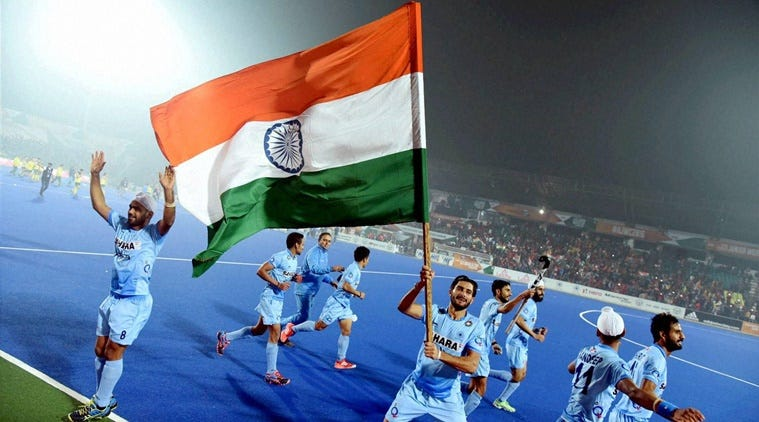
Cricket is highly popular, but it is not India’s only important sport. Different regions and communities support a wide range of athletic activities.
Football, Kabaddi, and Badminton
Football is popular in West Bengal, Kerala, Goa, and many other parts of India. Kabaddi also has a large following. It combines traditional roots with modern professional leagues and requires strength, speed, and teamwork. Badminton is another popular sport, helped by major international events and successful Indian players. These sports show how varied sporting interests are across India.
Local Sports and Community Competitions
School tournaments and local competitions help young people get involved in sports. Cricket, football, volleyball, athletics, and other activities give them regular exercise. Local events also let families and communities support young players in person. This creates a different experience from simply watching a professional team on TV.
Traditional Indoor and Outdoor Games
India has a long history of traditional games. Carrom is a popular indoor game, while kho-kho is a team sport based on speed and coordination. Chess also has strong historical links to the Indian subcontinent and is now played at a high competitive level. Traditional dice games are another common form of recreation and depend mainly on chance.
How Digital Technology Is Changing Indian Sports and Traditional Games
Mobile devices have changed how people follow sports and play games. Fans can now watch live coverage, check statistics, and use digital entertainment on their phones. These features are also available on computers and televisions.
Cricket Apps and Live Match Coverage
Cricket fans can use digital services to follow scores, player performances, and tournament standings. Streaming platforms also provide live matches and highlights. The ICC reported that the 2025 Champions Trophy final reached a peak of 61 million concurrent viewers on JioHotstar. This illustrates the scale of mobile and digital cricket audiences.
Digital Versions of Traditional Games
Traditional games are also available on mobile devices. Digital Jhandi Munda games may use animated dice instead of real dice. The software then shows the result on screen. Some versions offer free play with virtual credits, while others include extra features. These apps can help more people try the game without needing a physical set.
What Changes When Traditional Games Move Online?
Digital versions can make games easier to access. Players no longer need physical dice, a game cloth, or other participants in the same room. However, the social experience changes. A mobile game does not fully reproduce the atmosphere of an in-person gathering. Digital versions may also use rules or features that differ from regional traditions.
Entertainment Without Financial Stakes
Not every game needs to involve money. Friendly cricket matches, free mobile games, and traditional games can still be fun. Some Jhandi Munda apps use only virtual credits, while others involve real-money betting. This difference is important because playing with real money adds financial risk.
Why Indian Fans Value Both Modern Sports and Traditional Entertainment
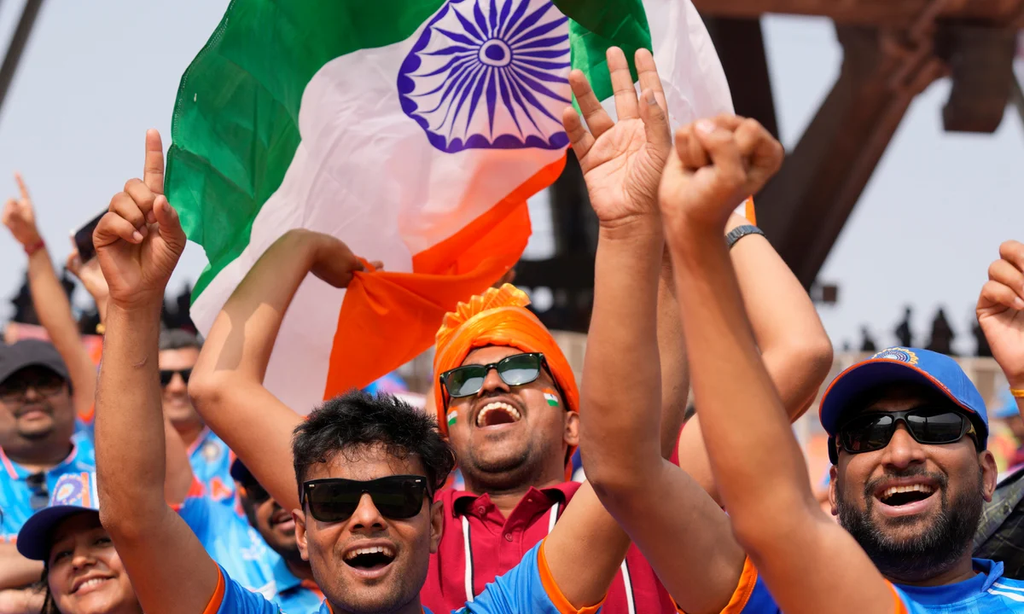
India’s entertainment culture includes professional sports, local events, family games, and regional traditions. These activities can appeal to different people and serve different purposes. They do not have to compete with each other.
Different Forms of Entertainment Serve Different Purposes
Professional cricket offers large-scale competition and the chance to follow skilled athletes. Community sports allow people to participate directly. Traditional games may offer a familiar activity during social gatherings. Each can be meaningful in a different setting.
Tradition and Modern Technology Can Coexist
Watching cricket online does not stop people from enjoying traditional games. Digital versions also do not replace physical games completely. Technology simply gives people more ways to enjoy entertainment. At the same time, families and communities can continue to keep traditional games alive.
Regional Diversity Matters
India includes many languages, customs, and sporting traditions. A game familiar in one region may be less common elsewhere. The popularity of cricket should not hide the importance of local sports and recreational activities. Understanding this diversity gives a more accurate picture of Indian entertainment culture.
Common Misconceptions About Indian Sports Fans and Traditional Games
Several common assumptions oversimplify India’s sporting and gaming culture.
Do All Indian Sports Fans Follow Cricket?
No. Cricket has a large audience, but many people prefer football, badminton, kabaddi, wrestling, or other sports. Some follow several sports, while others are interested mainly in local competitions. India’s sporting audience is not one uniform group.
Is Jhandi Munda a Cricket Game?
No. Jhandi Munda is a traditional dice game. It does not involve teams, wickets, overs, or cricket scoring. The two activities may be discussed together as parts of Indian leisure culture, but their rules are unrelated.
Can Cricket Knowledge Help Predict Jhandi Munda Results?
No. Cricket knowledge helps people understand tactics and player performance. It cannot predict the result of random dice rolls. A winning or losing cricket team has no effect on which Jhandi Munda symbols appear.
Are Traditional Games the Same Across India?
No. Traditional games often have regional names and variations. Jhandi Munda is closely related to Langur Burja, but rules and presentation can differ between versions. Regional differences should be recognized rather than treating one form as universal.
Frequently Asked Questions About Indian Sports Fans
Why Is Cricket So Popular in India?
Cricket has a long history in India. Its popularity has grown through international success, professional leagues, and local participation. TV, streaming services, and social media also help the sport reach a large audience.
Which Sports Have the Most Fans in India?
Cricket is among the country’s most widely followed sports. Football, kabaddi, badminton, and other sports also have substantial audiences. The exact rankings depend on the survey and how fandom is measured.
What Is Jhandi Munda?
Jhandi Munda is a traditional game using six dice marked with symbols. Participants choose a symbol before the dice are rolled, and the result depends on how often it appears.
Is Jhandi Munda Related to Cricket?
No. Cricket is a team sport based on physical skills and tactics. Jhandi Munda is a chance-based dice game. Both can be considered within India’s wider entertainment culture, but their rules are unrelated.
Is Jhandi Munda Based on Skill or Luck?
Jhandi Munda results depend on chance. Participants cannot reliably predict or control which symbols appear on fair dice. Cricket, by contrast, depends heavily on training, technique, and teamwork.
Why Are Traditional Games Still Popular?
Traditional games can be a simple way to have fun and spend time with others. Familiar rules and local customs also help these games stay popular in some communities.
Can Jhandi Munda Be Played on Mobile Devices?
Yes. Digital adaptations exist for mobile devices. Some versions use virtual credits and animated dice. The available rules and features depend on the application.
How Do Indian Sports Fans Follow Cricket Online?
Fans use streaming services, live-score applications, sports websites, and social media. These services provide match coverage, player statistics, highlights, news, and discussion throughout the cricket season.
Final Thoughts on Indian Sports Fans and Gaming Culture
Cricket is a major part of sports culture in India. Professional leagues, international events, and local matches bring fans together across regions and age groups. Traditional games such as Jhandi Munda are also part of India’s entertainment culture. The two activities are very different. Cricket relies on skill, teamwork, and tactics, while Jhandi Munda is based on chance. Together, they show the wide range of sports and games enjoyed across India.